

Learn the next decision.
Locate the button — details
For this topic, keep the following in mind. The D marker identifies the dealer position and moves clockwise after each completed hand. Position is measured relative to this marker and the blinds. Knowing where you sit in the action order helps explain how much information will be available when you choose. Keeping the full context in mind helps avoid misunderstandings.
Early position
The key details are straightforward. Early players commit to a decision while more opponents are still waiting to act. Those opponents can call, raise or fold after seeing the early action. This disadvantage can make speculative hands more difficult to play, particularly when the effective stacks are large. The same principles apply each time you use this part of the site.
Middle position — details
Consider these points when using this feature. Middle position sees some earlier decisions while still leaving several players behind. It is neither the first decision nor the last. An unopened pot and a pot already raised from early position call for different assessments, even with the same private cards. The surrounding sections explain the related topics in more detail.
Late position — details
The following details clarify how this works. Late players can observe more of the current betting round before acting. If the pot reaches you without a raise, the earlier folds are useful information. Late position does not eliminate uncertainty about private cards, so the amount at risk still matters. Read this alongside the related information on this site.
The button after the flop — details
The explanation below covers the main points. With three or more players, the first live player to the left of the button normally begins post-flop action. When the button remains in the hand, it acts last on each later street. This consistent ordering can make it easier to compare a wager with the action already seen. These details provide context for the choices described here.
The small blind — details
For this topic, keep the following in mind. The small blind has already committed chips before seeing the betting develop. In a larger game it is usually among the first players to act after the flop. The chips posted do not require you to defend every hand; folding can limit further losses in an unfavorable situation. If a question remains, the FAQ form provides a way to contact the operator.
The big blind
The key details are straightforward. The big blind gets credit for its forced wager when facing a call or raise. If everyone only calls before the flop, the big blind still has an option to check or raise. A discount on calling is one input to a decision, rather than proof that every call is worthwhile. If a question remains, the FAQ form provides a way to contact the operator.
Heads-up position
For this topic, keep the following in mind. In a two-seat game the button posts the small blind and acts first before the flop. After the flop, the big blind acts first and the button acts last. These two orders differ from simply applying a full-table shortcut to two players. A careful reading can help you distinguish the different situations.
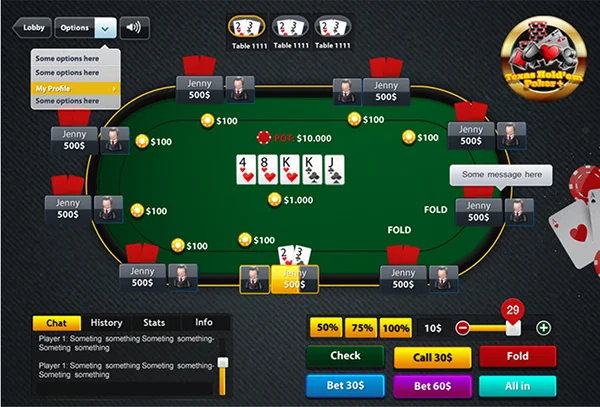
Position and pot size
This section explains what to expect. Acting after an opponent lets you respond to a check or bet, which can help choose whether to build the pot or keep it smaller. You cannot control the opponent's next decision or the next card. Plan for several possible responses rather than one hoped-for outcome. The same principles apply each time you use this part of the site.
Review decisions by seat
A useful starting point is the following overview. Hand History records the dealer and the action sequence for each completed hand. Use that sequence to identify where a difficult choice occurred. Compare similar situations from different positions before drawing conclusions from a short run of results. Keeping the full context in mind helps avoid misunderstandings.